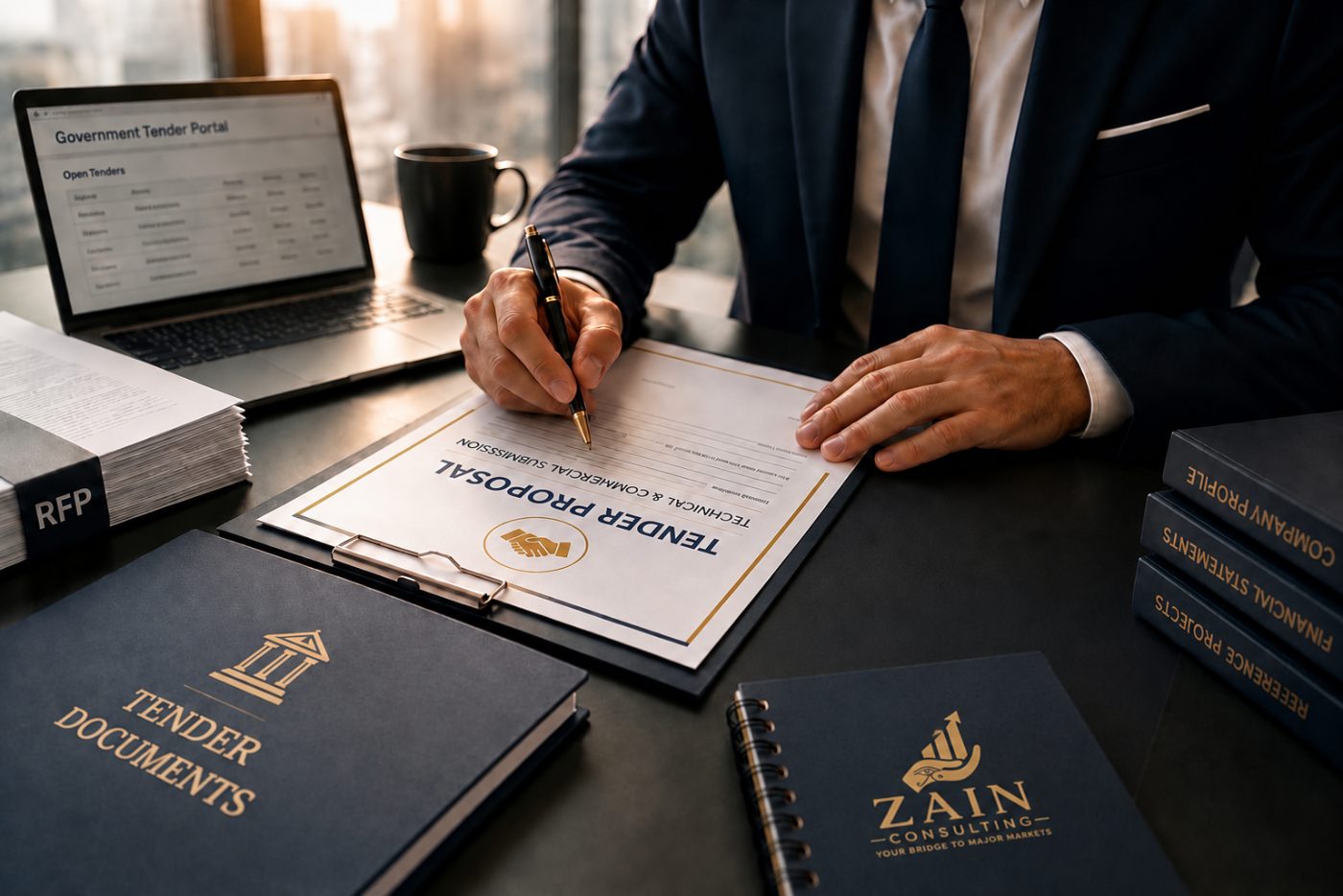
Most losing bids are not beaten on price. They are beaten on details settled weeks before the deadline — and nearly every one of those details is fixable.
Across registrations and submissions in oil and gas, petrochemicals, energy and industrial supply, the same five mistakes come up again and again. Here is what they look like from the evaluator's side of the table, and what to do instead.
1. Treating registration as paperwork
Vendor registration is not an administrative formality. It is the first evaluation, and it is where most companies are quietly filtered out. Buyers use it to screen financial standing, quality systems, HSE records and relevant past performance — long before a tender is issued.
Do this instead: build the registration file as if it were a bid. Current trade licence, audited financials, ISO certificates, organization chart, equipment list and three reference projects with contactable clients. If a category asks for a capability you have but cannot evidence, get the evidence before you apply.
2. Answering the tender you wanted, not the one you received
Evaluation teams score against a published table of criteria. They are not permitted to award credit for strengths you describe outside that table. A beautifully written company profile earns nothing if the technical annex asked for pump curves and you supplied a brochure.
Do this instead: read the scoring table first and build your response in its order. Every criterion should map to a specific page in your submission, and the page should say plainly which criterion it answers.
3. Pricing without a strategy
Two failures are equally common: pricing so high that the commercial score sinks, and pricing so low that the buyer questions whether the scope is understood. In most Gulf evaluations an abnormally low bid triggers scrutiny rather than a win, and can be rejected outright.
Do this instead: price from your own cost base, then test the result against the market. Separate fixed and variable costs, hold a defensible margin, and prepare the cost breakdown you will be asked for during clarification.
4. Leaving the technical file to the final week
Technical annexes need third-party inputs — manufacturer datasheets, certificates of origin, test reports, authorisation letters. Those arrive on their supplier's schedule, not yours. A file assembled in the last week is where missing attachments and mismatched revisions come from.
Do this instead: list every third-party document on day one, name an owner for each, and set internal deadlines two weeks ahead of the tender deadline.
5. Ignoring clarifications and the submission mechanics
Clarification rounds are the cheapest information you will ever get, and most bidders skip them. The mechanics matter just as much: portal upload limits, file naming, sealed envelope rules, bid bond validity and the exact closing time. Compliant submissions have been rejected for arriving in the wrong format.
Do this instead: submit questions early, read every circular issued to all bidders, and complete a full dry run of the upload or delivery at least 48 hours before closing.
Rule of thumb: if you cannot point to the exact page where an evaluator will find each requirement, your submission is not finished — no matter how good the price is.
A short pre-submission checklist
- Every criterion in the scoring table maps to a named page or annex.
- All third-party certificates are current at the closing date, not just today.
- The commercial offer and technical offer describe the same scope.
- Bid bond value, validity and format match the instructions exactly.
- File names, formats and sizes follow the portal's rules.
- A second reader who did not write the bid has checked it against the ITT.
The bids that win are rarely the most impressive. They are the ones that are easiest to score.
If you are preparing a submission now and want a second opinion before it goes out, our technical review service exists for exactly that — an independent read of your file against the evaluation criteria, by consultants who have worked on the other side of it.
معظم العطاءات الخاسرة لا تخسر بسبب السعر، بل بسبب تفاصيل تم حسمها قبل الموعد النهائي بأسابيع — وكل هذه التفاصيل تقريبًا يمكن تفاديها.
من خلال عمليات التسجيل وتقديم العطاءات في قطاعات النفط والغاز والبتروكيماويات والطاقة والتوريد الصناعي، تتكرر الأخطاء الخمسة نفسها. إليك كيف تبدو من وجهة نظر لجنة التقييم، وما الذي ينبغي فعله بدلًا منها.
١. التعامل مع التسجيل باعتباره إجراءً ورقيًا
تسجيل المورد ليس إجراءً إداريًا شكليًا، بل هو التقييم الأول، وهو المرحلة التي تُستبعد فيها معظم الشركات بهدوء. تستخدمه الجهات المشترية لفحص الملاءة المالية وأنظمة الجودة وسجلات السلامة والخبرات السابقة، قبل طرح أي مناقصة بوقت طويل.
البديل الصحيح: جهّز ملف التسجيل كما لو كان عطاءً. رخصة تجارية سارية، قوائم مالية مدققة، شهادات الأيزو، الهيكل التنظيمي، قائمة المعدات، وثلاثة مشاريع مرجعية بعملاء يمكن التواصل معهم. وإذا طلب أحد التصنيفات قدرة تمتلكها ولا تستطيع إثباتها، فاحصل على الدليل قبل التقديم.
٢. الإجابة عن المناقصة التي تمنيتها، لا التي وصلتك
تُقيّم اللجان العروض وفق جدول معايير معلن، ولا يُسمح لها بمنح درجات لمزايا تصفها خارج هذا الجدول. فملف تعريفي مكتوب بإتقان لا يمنحك شيئًا إذا كان الملحق الفني يطلب منحنيات أداء المضخات وقدّمت بدلًا منها كتيبًا دعائيًا.
البديل الصحيح: اقرأ جدول التقييم أولًا وابنِ عرضك بترتيبه. كل معيار يجب أن يقابله موضع محدد في العرض، وأن تذكر الصفحة بوضوح أي معيار تجيب عنه.
٣. التسعير بلا استراتيجية
هناك خطآن متساويان في الشيوع: سعر مرتفع يهبط بالدرجة التجارية، وسعر منخفض إلى حد يجعل الجهة المشترية تشك في فهمك لنطاق العمل. وفي معظم تقييمات الخليج، يستدعي السعر المنخفض بشكل غير طبيعي تدقيقًا إضافيًا، وقد يُستبعد العرض تمامًا.
البديل الصحيح: سعّر انطلاقًا من هيكل تكلفتك، ثم اختبر النتيجة أمام السوق. افصل التكاليف الثابتة عن المتغيرة، واحتفظ بهامش يمكن الدفاع عنه، وجهّز تحليل التكلفة الذي سيُطلب منك أثناء الاستيضاح.
٤. تأجيل الملف الفني إلى الأسبوع الأخير
تحتاج الملاحق الفنية إلى مدخلات من أطراف أخرى: بيانات فنية من المصنّعين، وشهادات منشأ، وتقارير اختبار، وخطابات تفويض. وهذه تصل وفق جداول مورّديها لا وفق جدولك. والملف الذي يُجمَّع في الأسبوع الأخير هو مصدر المرفقات الناقصة والإصدارات غير المتطابقة.
البديل الصحيح: احصر كل مستند خارجي من اليوم الأول، وحدّد مسؤولًا عن كل منها، واضبط مواعيد داخلية تسبق الموعد النهائي بأسبوعين.
٥. تجاهل الاستيضاحات وآليات التقديم
جولات الاستيضاح هي أرخص معلومات ستحصل عليها، ومع ذلك يتجاهلها أغلب المتنافسين. وآليات التقديم لا تقل أهمية: حدود الرفع على المنصة، وتسمية الملفات، وقواعد المظاريف المختومة، وسريان خطاب الضمان، وتوقيت الإغلاق بدقة. فقد استُبعدت عروض مطابقة تمامًا لأنها وصلت بصيغة خاطئة.
البديل الصحيح: أرسل أسئلتك مبكرًا، واقرأ كل تعميم يصدر لجميع المتنافسين، ونفّذ تجربة رفع أو تسليم كاملة قبل الإغلاق بـ 48 ساعة على الأقل.
قاعدة عملية: إذا لم تستطع الإشارة إلى الصفحة التي سيجد فيها المُقيِّم كل متطلب، فعرضك لم يكتمل بعد — مهما كان السعر جيدًا.
قائمة تحقق قصيرة قبل التقديم
- كل معيار في جدول التقييم يقابله صفحة أو ملحق محدد بالاسم.
- جميع الشهادات الخارجية سارية في تاريخ الإغلاق، لا في تاريخ اليوم فقط.
- العرض التجاري والعرض الفني يصفان نطاق العمل نفسه.
- قيمة خطاب الضمان وسريانه وصيغته مطابقة للتعليمات تمامًا.
- أسماء الملفات وصيغها وأحجامها تتبع قواعد المنصة.
- مراجع ثانٍ لم يشارك في الكتابة راجع العرض أمام كراسة الشروط.
العروض الفائزة نادرًا ما تكون الأكثر إبهارًا، بل الأسهل على لجنة التقييم أن تمنحها الدرجات.
إذا كنت تجهّز عرضًا الآن وترغب في رأي ثانٍ قبل تقديمه، فخدمة المراجعة الفنية لدينا وُجدت لهذا الغرض تحديدًا: قراءة مستقلة لملفك أمام معايير التقييم، على يد استشاريين عملوا على الجانب الآخر من الطاولة.